A builder for your architectural plans in Sydney: getting a quote
Have drawings from your architect? Prepare a clear pricing package, compare tender options and understand allowances before choosing a builder for your Sydney home.
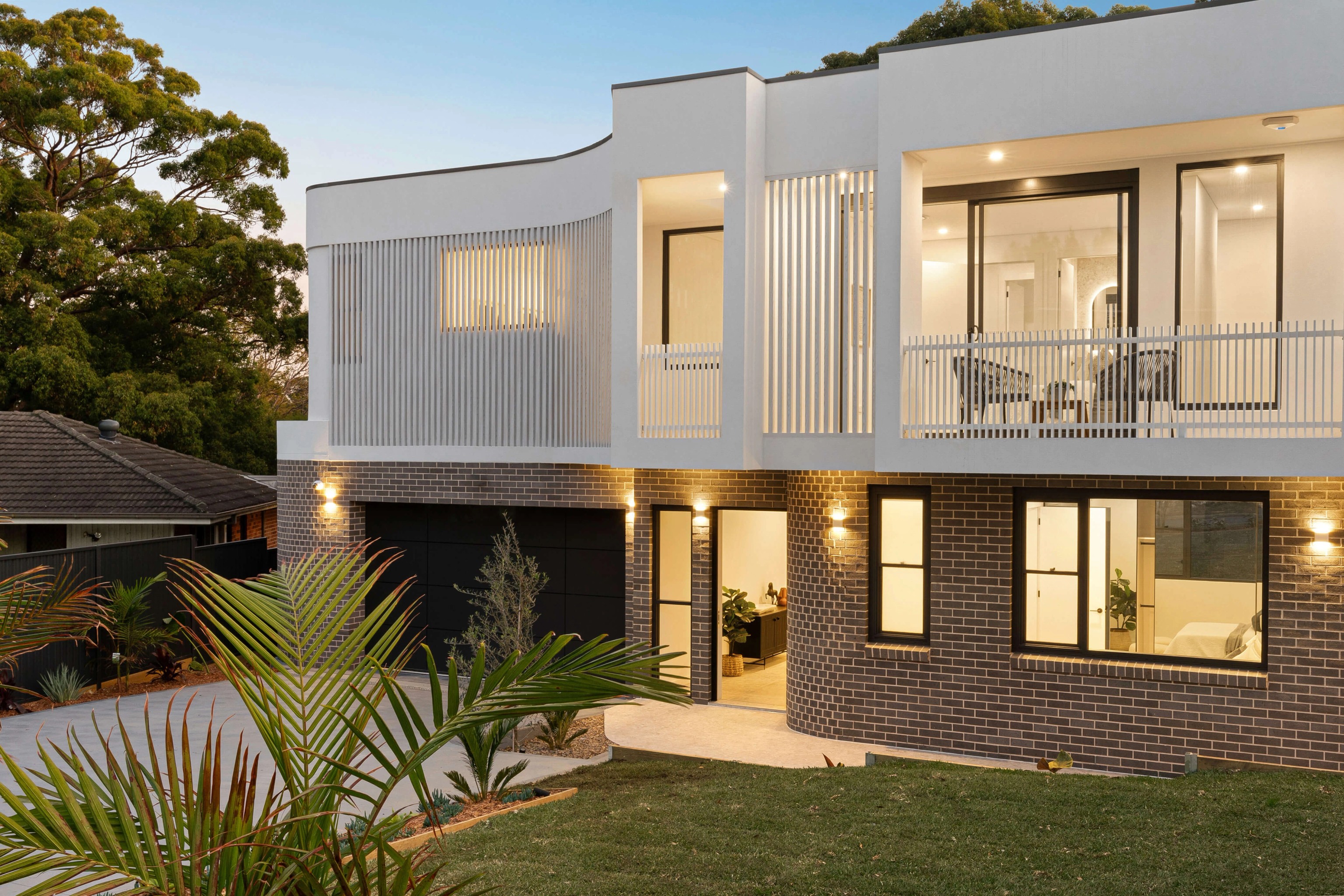
To get a useful quote from a builder for your architectural plans in Sydney, start with a coordinated drawing set, a specification and a clear scope. Ask each builder to price the same documents and identify every exclusion and allowance. If your drawings are still developing, ask for an early cost assessment with its assumptions set out.
At SHORE, we build homes designed by other architects as well as our own. Our architectural builders in Sydney can join during design development or price a finished set. Your architect can remain involved. Agree their role through tender and construction before you begin.
Are your architect's plans ready for a builder to price?
Check how much the drawings resolve. A floor plan can show where you will live. A pricing package also needs to explain what the builder is being asked to construct.
Ask your architect which stage you have reached:
- Concept drawings establish the proposed home. Ask for a budget assessment at this stage and a list of the assumptions behind it.
- Approval drawings describe the proposal submitted for consent. Check what construction detail and selections still need resolving before tender.
- Tender documents bring the design and consultant information together with the specification and proposed contract. Use this coordinated set for comparable offers.
The Australian Institute of Architects identifies architectural drawings, consultant drawings, a building specification and a nominated contract as the minimum tender package. Its guide to tendering also explains the architect's role in issuing documents and reviewing prices.
Keep approval and pricing separate. On the NSW development application pathway, a construction certificate follows development consent and is needed before building work starts. Service NSW explains the construction certificate requirements. A quote is not permission to start work.
What should you send with your drawings?
Send one organised package with a drawing register that identifies the revision of each document. Ask the builder to list anything missing before they price it.
The design and site information
Include the current architectural drawings and specification. Add the structural and other consultant documents already prepared for the project. Send the survey, relevant site investigations and any approval conditions with the same issue.
For the finishes, identify selected products and unresolved choices. We suggest checking five areas with your architect:
- Windows and doors: dimensions, frames, glazing and opening systems.
- Joinery: layouts, internal fittings, surfaces and hardware.
- Wet areas: tiles, fixtures, fittings and the details where surfaces meet.
- Services: lighting, power, heating and cooling locations.
- External work: boundaries, drainage, landscaping and anything you intend to arrange separately.
The brief for the price
State your construction budget and the costs you are holding outside it. Make the treatment of GST explicit. Tell the builder your preferred start date and whether the home will be occupied during the works.
Ask for the response to identify the documents priced, inclusions, exclusions, allowances and price validity. For a competitive tender, give every builder the same information and circulate answers to their questions through the nominated contact.
The NSW Planning Portal's guide to planning a build recommends checking what a quote includes and having the builder assess both the plans and site conditions. For an architectural home, we would also ask each tenderer to identify any proposed departure from the specification.
Should you tender the drawings or negotiate with one builder?
A competitive tender invites several builders to price a common package. A negotiated tender develops the offer with a preferred builder or a smaller group. Choose the approach with your architect according to the design stage and how you want to test the price.
Competitive tender
This gives you several offers to compare. Keep the base design consistent and request any alternative separately. Ask your architect to reconcile the responses before choosing a builder.
Negotiated tender
This allows a builder to contribute earlier as details develop. Agree the scope of that involvement, any fee and how the price will be assessed before work begins. A negotiated tender can lead to a fixed price.
Negotiation does not automatically mean a cost plus contract. Under cost plus, the owner pays the relevant project costs plus the builder's agreed margin. The final cost is not known at the outset. The Australian Institute of Architects sets out these distinctions in its types of tender guide.
How do you compare quotes for an architectural home?
Compare what each builder has priced before comparing the totals. Ask for differences to be resolved in writing so the decision is based on a common scope.
Use five checks:
- Match the drawing revisions. A price against an earlier issue needs updating before you compare it.
- Check the specification. Ask whether each named product and finish is included as selected. Keep proposed substitutions visible.
- Separate fixed amounts from allowances. Look at what remains to be selected or investigated.
- Read the exclusions. Ask who will arrange and pay for every excluded item you still need.
- Review the program and contract assumptions. Discuss the start date, construction duration, access arrangements and the period for which the offer remains valid.
For a home with carefully considered light and materials, examine the details that carry that design: the window system, joinery junctions and transitions between inside and outside. Ask the builder to show where these are covered in the price. If an alternative changes the design, review it with your architect before accepting it.
What are prime cost items and provisional sums?
A prime cost item is an allowance for the supply of a fixture or fitting that has not yet been selected. A provisional sum is an allowance for work that cannot yet be priced definitively. HIA gives excavation and rock removal as examples of provisional sum work in its NSW allowances guidance.
Ask what each allowance covers, what information would make it firmer and how the contract adjusts it when the actual cost is known. Check the treatment of installation, GST and the builder's margin. An allowance within a fixed price contract can still change.
How can you tell whether a builder works well with architects?
Look for completed homes with a clear distinction between the designer and builder. Then ask the builder to explain how they would work with your architect on your drawings.
Our completed work includes these homes designed by outside practices:
- ULM in Ermington, completed in 2023, was designed by Peak Architects and built by SHORE. We also provided the interior design.
- CLAY in Rozelle, completed in 2022, was designed by Oikos and built by SHORE. Its off-form concrete and arched openings offer a different reference from a lightweight extension.
- ELBA in Pagewood, completed in 2023, was designed by Tier Architect and built by SHORE.
- CONWAY in Randwick, completed in 2025, was designed by Tina Kosta Studio and built by SHORE. It combines a Federation residence with a contemporary Mediterranean extension.
- AXIS in Chifley, completed in 2025, was designed by Superior Design and built by SHORE.
Use those projects to make the conversation specific. Ask who will resolve drawing queries, how proposed changes will reach your architect and who will supervise the work. Request references from previous clients and architects. Agree who reviews samples and shop drawings and who can instruct a change under your contract.
Have plans for Bondi or an Inner West home?
If your plans are for Bondi, shortlist builders with relevant completed work and experience of your project's construction details. Our nearby work includes SOL in Bondi Beach, a duplex we designed and built in 2025. It set a Bondi Beach suburb record for a duplex. Our builders in Bondi Beach page shows the project and our approach to the area.
For an Inner West home designed by your own architect, CLAY in Rozelle is a direct example of our construction work with an outside practice.
Our guide to luxury home builders in Sydney's Eastern Suburbs gives the wider local context. This guide focuses on the next decision once you have drawings: what to issue and how to assess the builder's response.
Discuss your architect's plans with SHORE
Send us the current drawing set with the project location, approval stage and intended construction budget. Tell us whether you are preparing a tender or would like builder input while the design develops. We can discuss the appropriate next step with you and your architect.
Discuss your plans with SHORE.
Questions
Can SHORE build a home designed by my architect?
Yes. We build from other architects' designs as well as our own. Completed examples include ULM by Peak Architects, CLAY by Oikos and CONWAY by Tina Kosta Studio. Our involvement can begin during design development or with a finished tender set.
Can I get a quote before all my drawings are finished?
You can discuss the budget with a builder while the design develops. Ask them to identify the assumptions and missing information behind any early assessment. Resolve those items before comparing it with a price for a fully specified home.
Do I have to change architects to work with SHORE?
No. We can work with your architect's design. Agree their continuing services and each party's responsibilities before tender and construction.
Is a negotiated tender the same as cost plus?
No. Negotiation describes how you develop the builder's offer. Cost plus describes how costs are paid under the contract. A negotiated tender can lead to a fixed price once the scope is agreed.
How long will a builder take to prepare a quote?
Agree a return date after the builder has reviewed the documents and scope. Ask them to identify the outstanding information needed to meet that date. A detailed tender and an early budget assessment are different tasks.