Which materials and cladding last on a coastal home in Sydney?
The materials that last on a coastal Sydney home are the ones rated for how close the house sits to breaking surf. That usually means grade 316 stainless steel fixings, exposure-class masonry and roofing and cladding chosen for the distance to the sea. Detailing matters as much as the product, because salt does most damage on surfaces the rain never washes.

Last reviewed
Why is the coast so hard on a house?
Salt carried on the wind settles on every surface of a coastal home. The Australian Stainless Steel Development Association describes marine environments as the most aggressive of all for building materials. Sea salt stays damp until the air is very dry, so a salty surface keeps corroding for longer than one that dries out quickly.
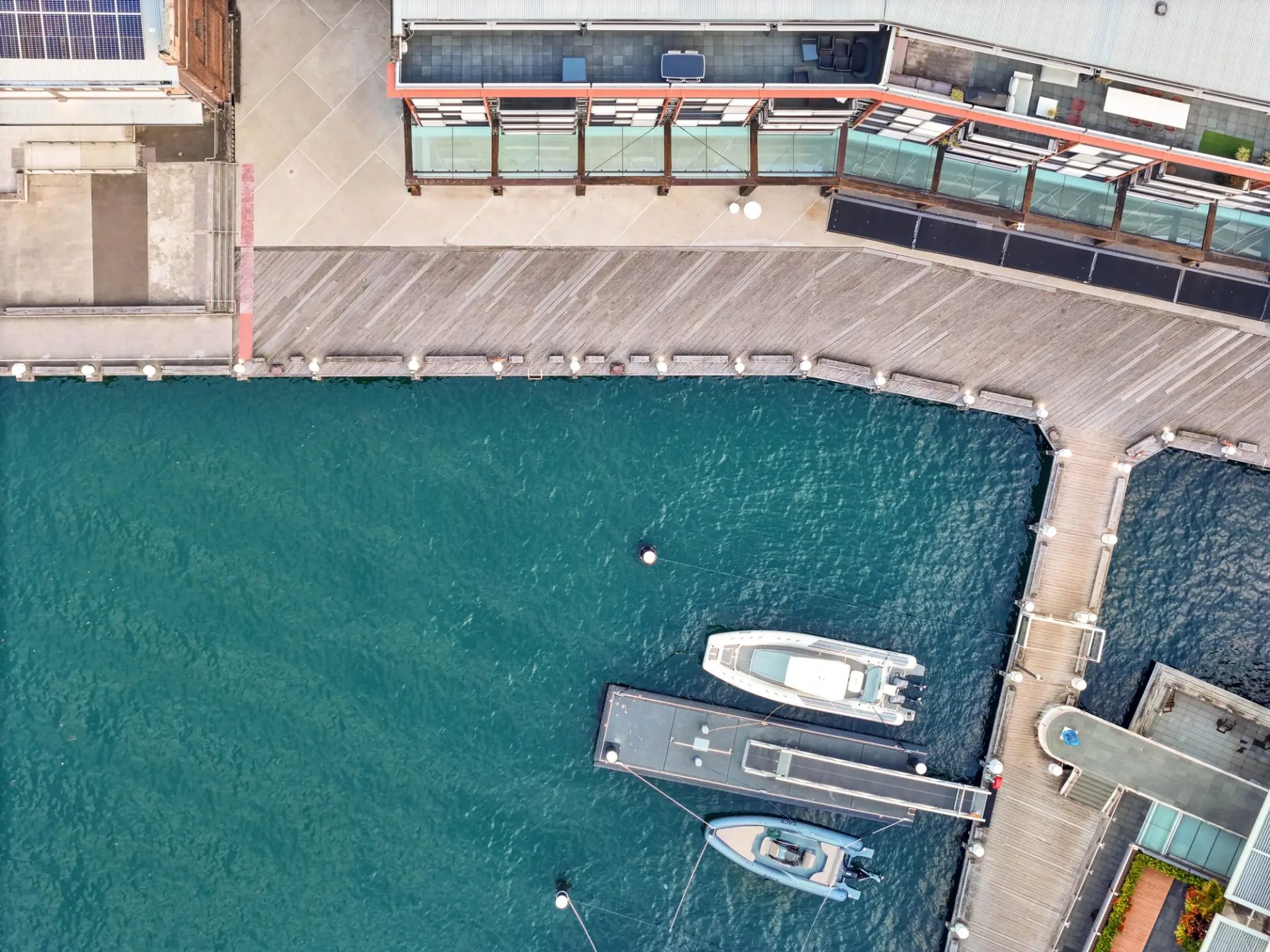
Distance from the water sets the severity. Conditions become sharply worse as you approach breaking surf, while sheltered bays are gentler than an open beach. AS 4312 maps these atmospheric corrosivity zones across Australia. Suppliers use the same idea when they rate a product for a given distance. A house on the cliffs at Dover Heights and one tucked behind the harbour at Rose Bay face very different air.
Which metals and fixings suit a coastal home?
Stainless steel is only as good as its grade. ASSDA recommends grade 316 or a grade with equal corrosion resistance as a minimum within five kilometres of the surf. Lower grades such as 304 are likely to tea stain or corrode more seriously in marine air. Splash zones and unwashed corners can call for higher grades again.
Roofing and metal cladding follow the same logic. BlueScope's COLORBOND steel FAQs recommend standard COLORBOND steel for a roof more than 200 metres from breaking surf and COLORBOND Ultra steel between 100 and 200 metres. Closer than that, BlueScope's own selection guide decides the product.
Hidden metal matters as much as what you see. The ABCB Housing Provisions set out the standard deemed-to-satisfy method for masonry. Under it, wall ties less than one kilometre from breaking surf must be grade 316L stainless steel or an engineered polymer complying with AS 2699.1. The same rule applies within 100 metres of calmer salt water such as the harbour. Mixing metals brings a risk of its own, because some metals speed the corrosion of others they touch or drain onto. The Australian Government's YourHome guide to cladding recommends separating them or choosing fasteners that match the main metal.
What about masonry and timber?
Brick and block need the right durability class. The same Housing Provisions call for exposure class masonry units on sea fronts where walls meet salt spray, because those units resist attack from soluble salts. General purpose units suit most other locations. Our guide to double brick or brick veneer covers how the wall itself is built.
Timber can sit comfortably on a coastal home when you accept its upkeep. YourHome notes that timber weatherboards need repainting or refinishing to stay sound. Choose the finish with that maintenance in mind and record each product in your new home selections checklist so future repairs match.
How do you keep a coastal home looking right?
Rain is a coastal home's best cleaner, so the design should let it reach as many surfaces as possible. ASSDA warns that the underside of roofs, eaves and other rain-sheltered spots are where tea staining gets worst. Smooth, free-draining surfaces without ledges or crevices hold less salt.
Where rain cannot reach, washing takes over. BlueScope advises hosing areas such as wall cladding under eaves at least every six months and more often near the coast. ASSDA suggests washing stainless steel whenever you wash the windows beside it. A simple maintenance plan at handover keeps those habits in place for years.
How we approach materials on a coastal home
With recent homes in Dover Heights, Vaucluse and Bondi Beach, we approach coastal materials with restraint. We use few materials and use them well, holding the quality at the junctions and the surfaces you touch every day. We design for how a house will be lived in, maintained and weathered over twenty years, not only how it photographs at completion.
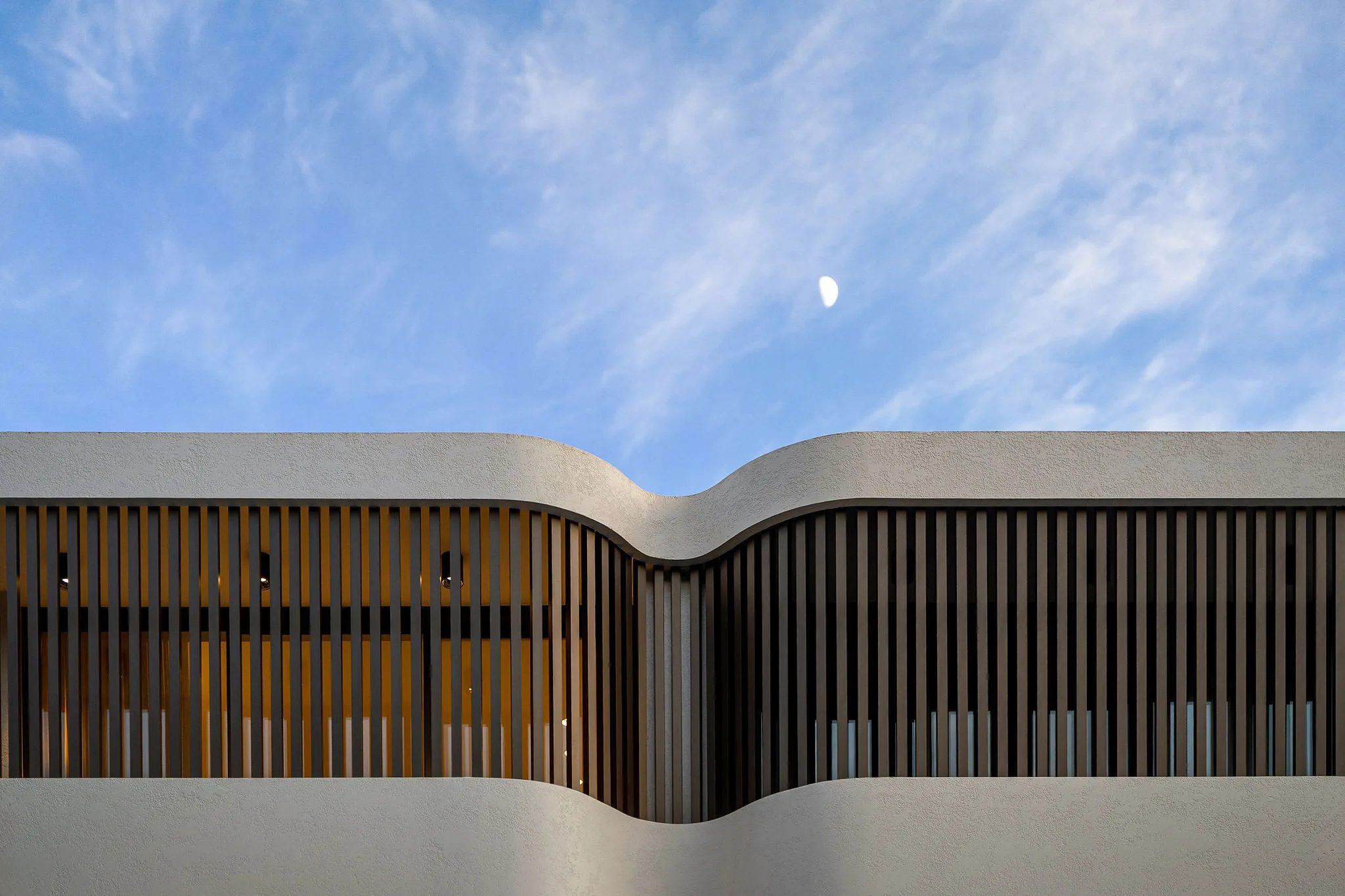
SWELL in Dover Heights is a coastal home we designed and built, completed in 2026, where white metal battens form arches across the upper level above the sea. To plan materials for your own site, start with our custom homes in Sydney.
Your next step
Explore custom homes